![[iSpotTV] How Insurers Used an 'Off-Season Surge' on TV as Their COVID Insurance Policy](/images/press/how-insurers-used-an-off-season-surge-on-tv-as-a-covid-insurance-policy/hero.jpg)
Analysis built on iSpot.tv national TV ad tracking data
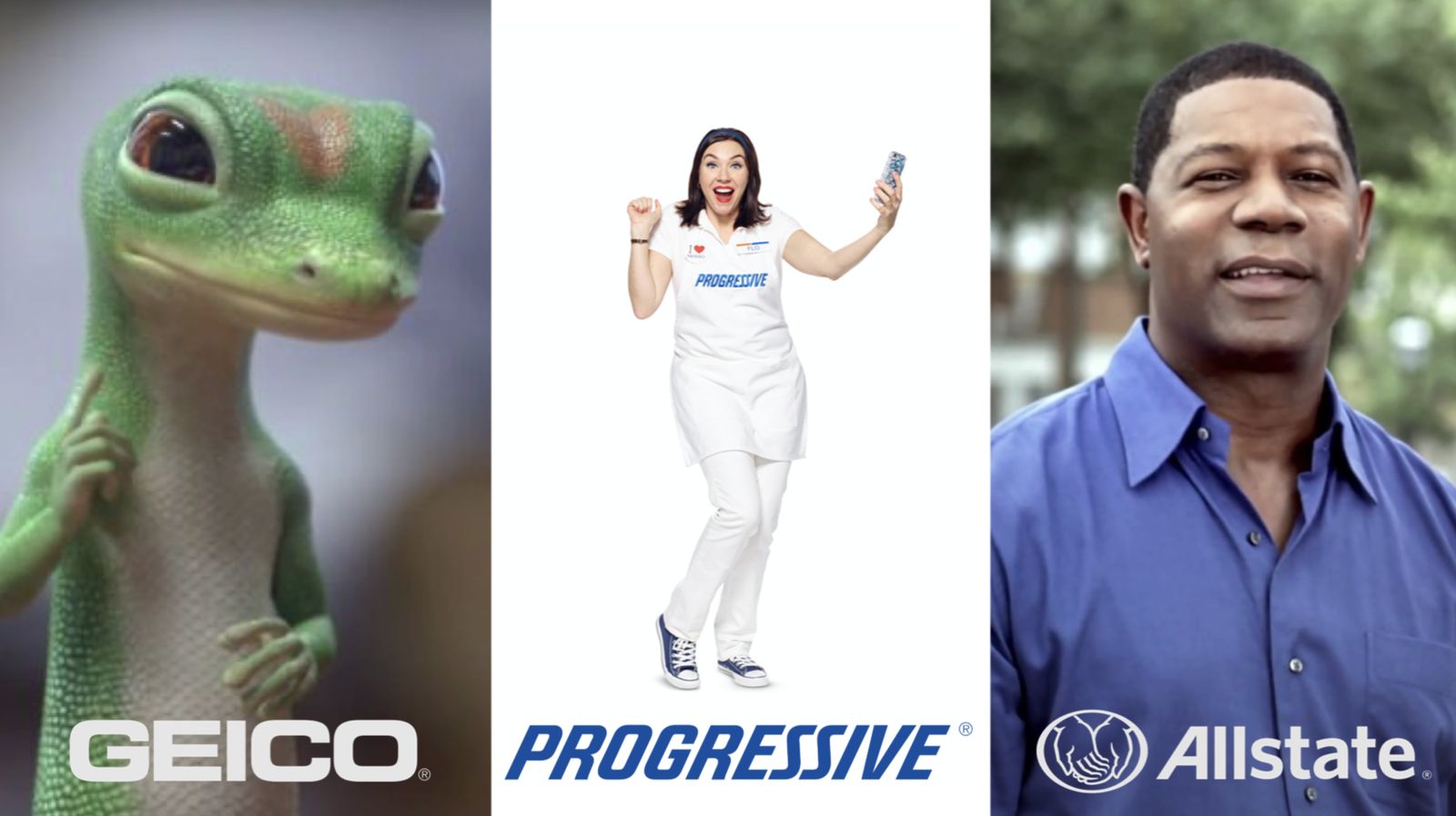
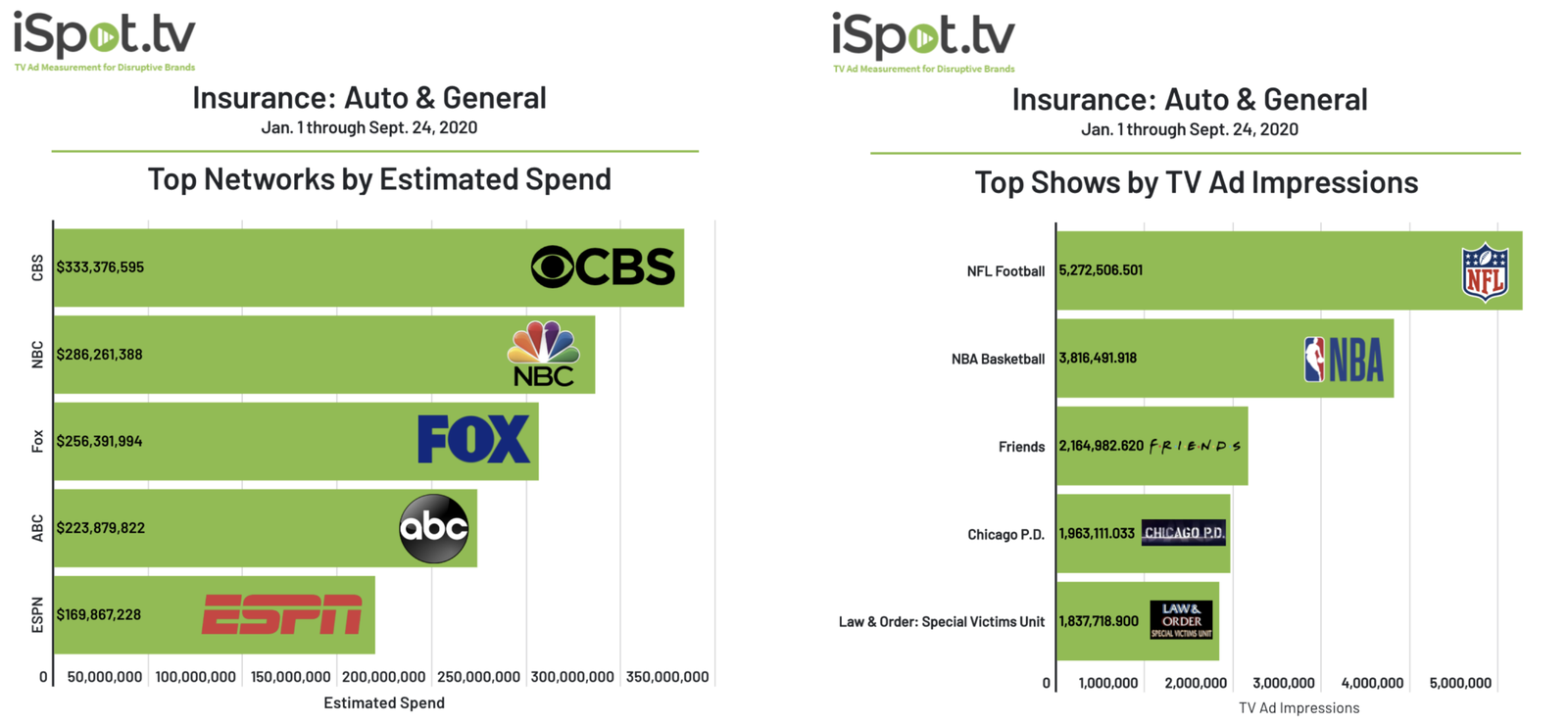
Auto and home insurers have long relied on a “brand response” formula on TV — ads that are funny enough to reinforce the brand while still landing a direct call to action (“15 minutes could save you 15%”). That formula depends on flooding high-rated programming, especially marquee sporting events, to reach the widest possible audience of price-sensitive shoppers.
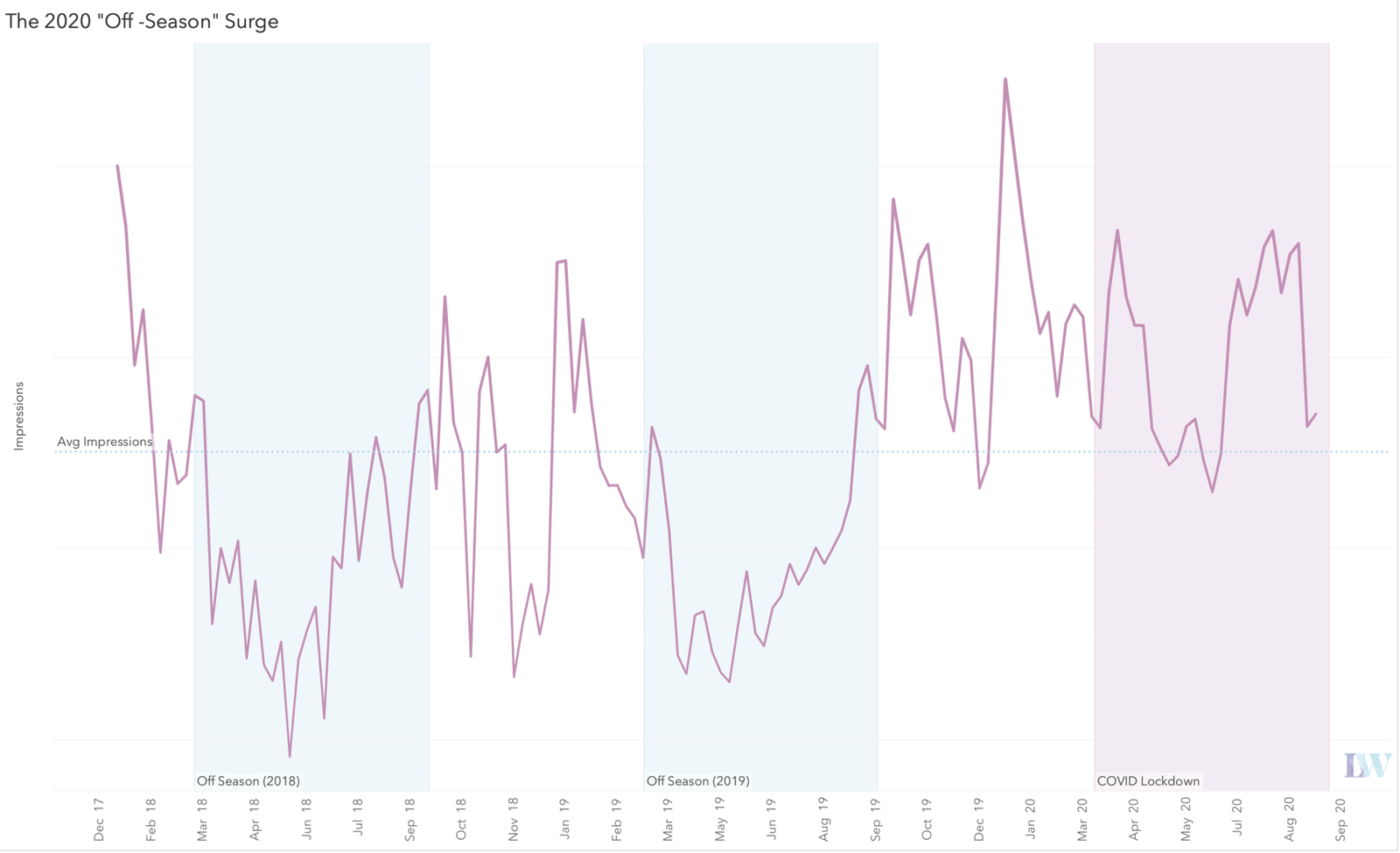
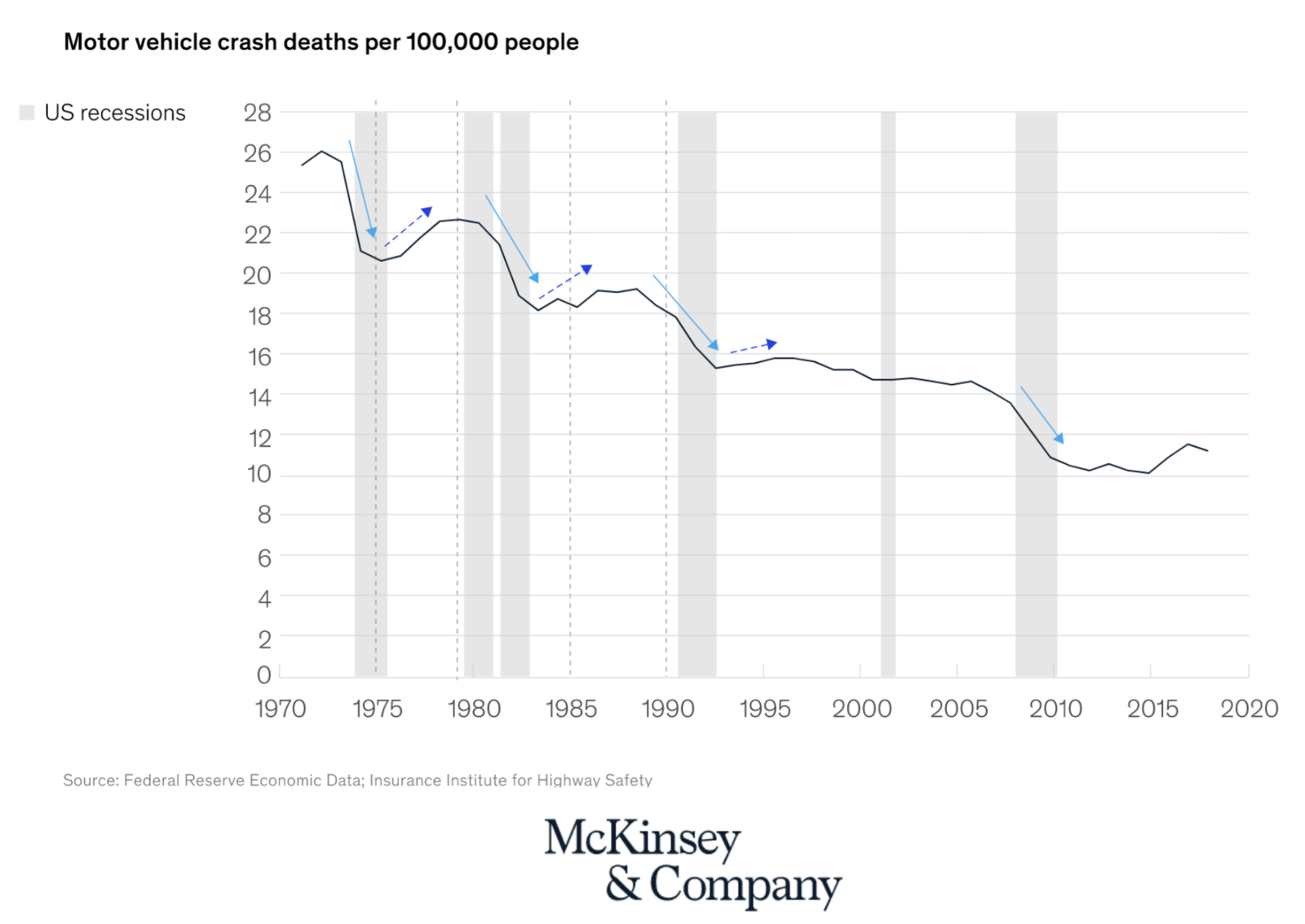
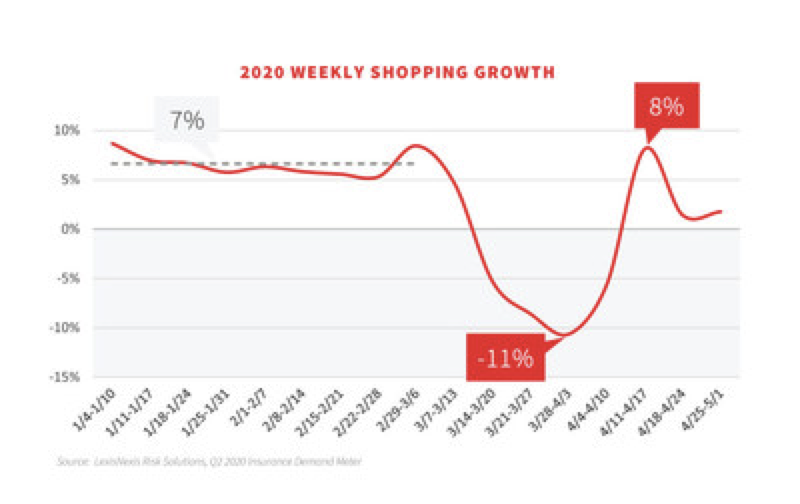
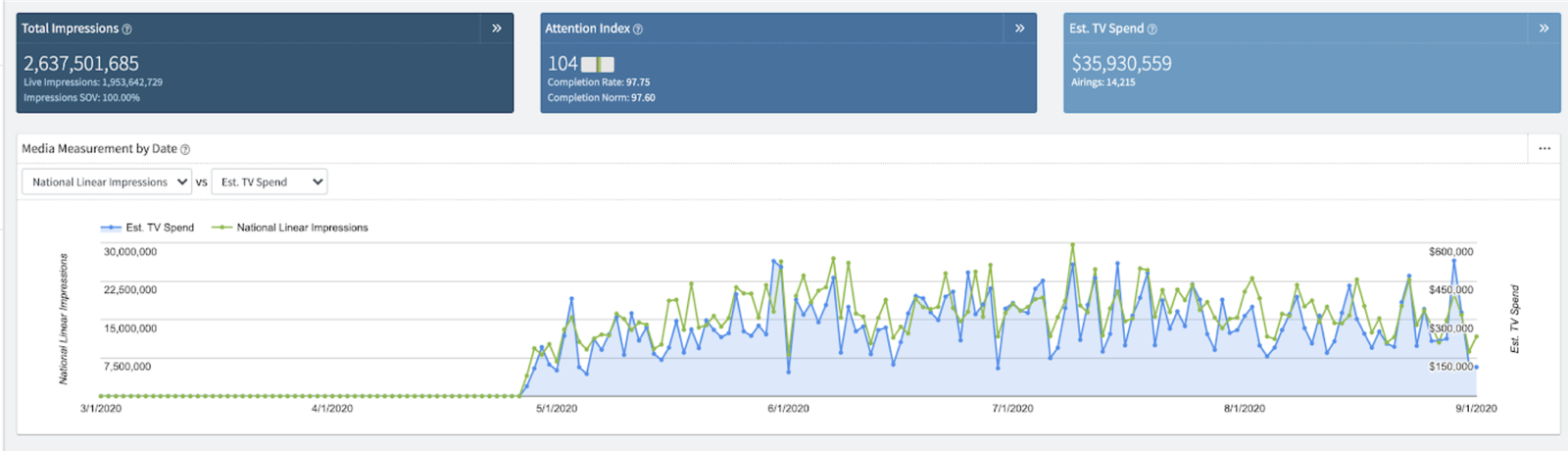
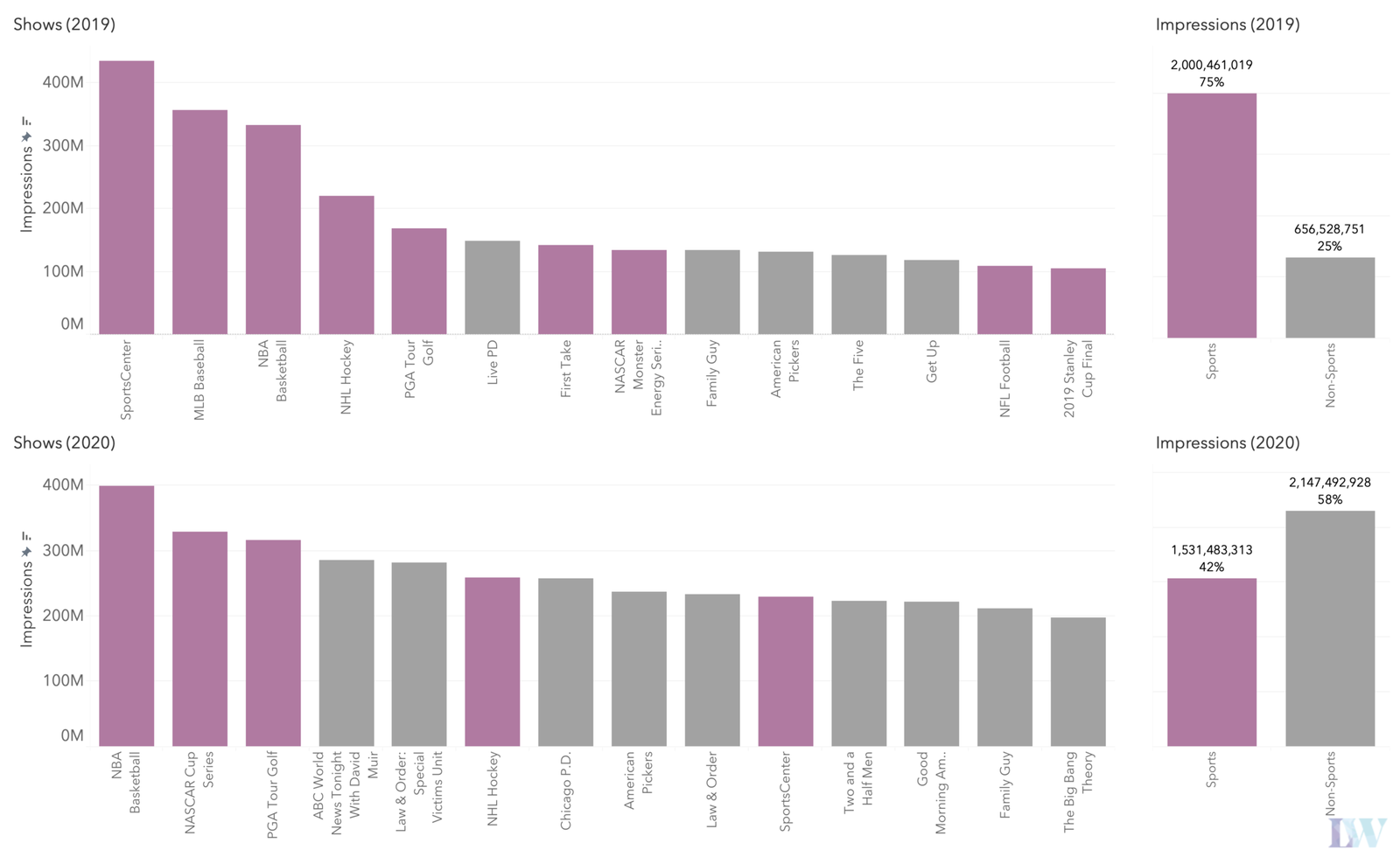
Every insurer also has a predictable “off-season,” the lull after nine months of heavy investment around tentpole sports and shopping-driven demand. This piece uses iSpot.tv’s ad-tracking data to show how that seasonal pattern shifted in 2020: with live sports paused and driving down sharply (and motor vehicle crash rates falling alongside it), insurers like Geico leaned harder into their off-season surge strategy, treating the pandemic’s disrupted media calendar as an opportunity rather than a reason to pull back.
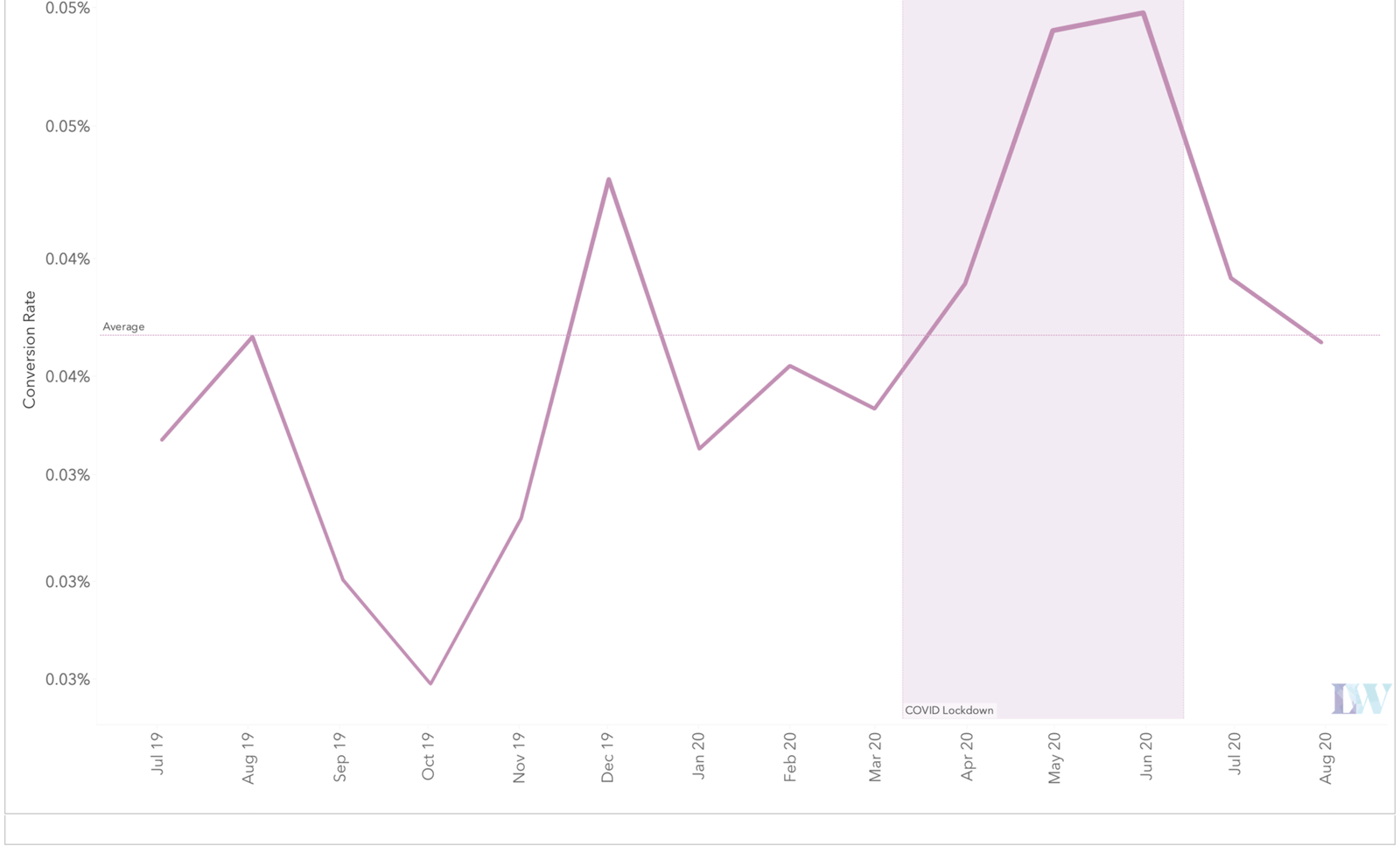
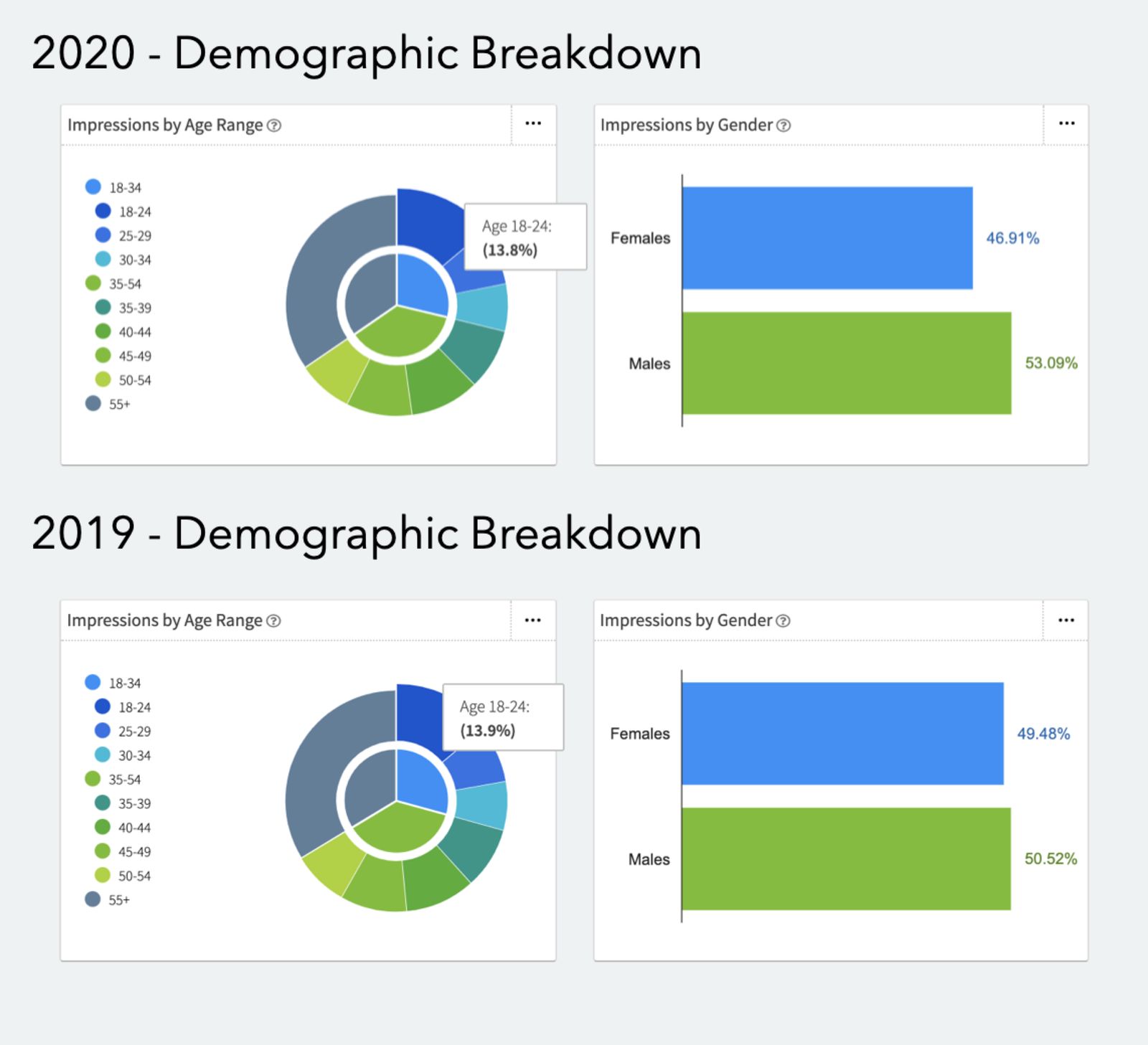
The data compares 2019 vs. 2020 cable impressions and audience demo breakdowns to show where that reallocated spend actually landed, and evaluates how efficiently Geico’s specific ad strategy converted the extra impressions during a year when consumer behavior — and the “off-season” itself — looked nothing like a normal year.